

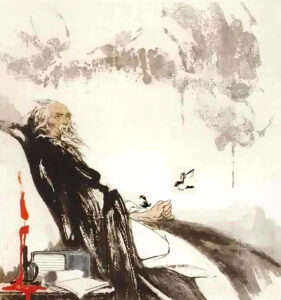
 画梁昼寂燕归迟
Swallows Return to the Pillars/
by Zhang Jian
芒种天,夏渐深,暑意浓,青梅黄,杨梅红,听取蛙声一片。
In Mangzhong, summer deepens and the heat intensifies; green plums ripen, bayberries turn red, and the air resounds with the croaking of frogs.
这是描绘于中国古代芒种佳节的一幅美好图卷,为这幅图卷上彩施墨的人正是历朝历代的诗人们。在他们的队伍中间,有一位诗人对芒种有着别样的爱意,他曾毫不掩饰自己的爱意,并将其爽朗地告知于后人。他写过许多和芒种有关的诗篇,其中最为后人所熟知的就是《芒种后经旬无日不雨偶得长句》,只看题目, 就知道在芒种多雨的日子里,他过得随意而悠闲。虽然衰老多病,仍愿不辜负琐碎时日里的诗意。他就是南宋诗人陆游。
This beautiful scroll painting, adorned with ink from poets of successive past dynasties, depicts ancient China’s period of Mangzhong. One of the poets, who had never concealed his admiration, had a unique affinity for Mangzhong, which he candidly made known to his successors. Of all the numerous poems he wrote about the season, later generations are mostly acquainted with “A Poem Inspired in Mangzhong After Many Straight Days of Rain.” A person need only read the title to recognize that, on rainy Mangzhong days, he lived carefree and unattached. Though old and ailing, he remained unwilling to relinquish his poetic sensibilities even during mundane times. He was the Southern Song Dynasty poet, Lu You.
公元1185年的芒种节在这年的四月如期而至,随它一起到来的自然是一场漫无归期的黄梅时雨。这场雨,自芒种之日开始下起,淅淅沥沥的下了一个月,仍没有停息之意。此刻,对于普通的老百姓来说,刚刚经过一场收麦大战,他们早已疲惫不堪,此时一场初夏之雨的出现给了他们缓冲和歇息的时机,他们知道,雨后的插秧大战更加劳累,因此趁机躺在床上休养生息是一件无比惬意之事,然而,对于赋闲在家已经四年的陆游来说,这场雨却让他起了“干劲”。他翻身下床,来到书桌前毫不迟疑地就挥动起笔来,“芒种初过雨及时,纱厨睡起角巾欹。痴云不散常遮塔,野水无声自入池。绿树晚凉鸠语闹,画梁昼寂燕归迟。闲身自喜浑无事,衣服熏笼独诵诗。”
The Mangzhong period of 1185 came as scheduled in April of that year, and naturally, so did the impending plum rains. Once these rains began on the first day of Mangzhong, they continued to pitter-patter down for an entire month with no intention of stopping. By then, most people were already utterly exhausted from the grueling battle to harvest the wheat. Aware that the upcoming struggle to transplant the rice after the rains would be even more arduous, the wet weather gave everyone a chance to catch their breath and brace for the hard work ahead. Hence, the time to recuperate in bed was appreciated beyond measure. For Lu You, however, who had been idling away at home for four years, the rains actually made him surprisingly “energetic.” He flipped out of bed, raced straight over to his desk and then, without the slightest hesitation, twirled his brush as he penned,
Mangzhong’s first pentad arrived right on schedule,
Awakening me in my disheveled nightcap.
The lingering clouds scatter endlessly over the pagoda,
And the wild waters flow silently into the pond.
Upon the cool trees at night doves clamor,
While swallows return late to the gaily-colored pillars.
Such joy it is to fritter about with nothing to do,
As my clothes dry beside the furnace, I recite poems.
看着书桌宣纸上新作的诗篇,陆游很是满意,对于这首诗的名字,陆游也没有感到为难,只见他稍捋了一下胡须,就在这张写宣纸上写下《芒种后经旬无日不雨偶得长句》。这个忧国忧民严谨做事的诗人,难得有这么随性的一面展现在世人面前,这是为数不多的一次。此刻,陆游的生活也正如他写下诗时的那般随性。而在此之前,陆游从未想过终有一天他能得此闲适生活,因为他满是忠心效国的思想从未让他还有别念。“ 闲身自喜浑无事,衣服熏笼独诵诗。” 陆游嘴里轻轻念了一遍,思绪便又飘到了往事中。
Reading the newly composed piece on his desk, Lu You felt quite pleased. He showed no hesitation in conceiving the poem’s title, either. He merely lightly stroked his beard before jotting the title down atop a fine sheet of rice paper. For a poet who cared deeply for both his country and its people, and who typically approached matters with caution, this was one of the rare moments he ever revealed such a casual side of himself to the outside world. Although Lu You’s life at that moment was as laid-back as his writing suggested, he just never imagined enjoying such a leisurely life before. Filled with fierce loyalty and devotion to his nation, he simply had not entertained the idea. “Such joy it is to fritter about with nothing to do, as my clothes dry beside the furnace, I recite poems,” Lu You gently repeated aloud, while his thoughts once again drifted back into the past.
淳熙六年(1179)秋,陆游被任为江西常平提举,主管粮仓、水利事宜。次年,江西水灾,陆游号令各郡开仓放粮,并亲自“榜舟发粟”。同时上奏朝廷告急,请求开常平仓赈灾。十一月,陆游奉诏返京,给事中赵汝愚借机弹劾陆游“不自检饬、所为多越于规矩”,陆游忿然辞官,重回山阴。不再对仕途抱有幻想的陆游转而开始对自己的赋闲在家的生活热爱起来。在一年的二十四个节气中,陆游最爱的就是芒种节。
In the sixth year of Chunxi (1179), Lu You was promoted and put in charge of the granary and water conservancy projects in Jiangxi. When the province flooded the following year, he ordered every county to open its granaries to help feed the poor, and he even distributed millet from boats himself. The imperial court later issued an emergency announcement, calling for “ever-normal granaries” to be opened for disaster relief. However, in November, upon seeing Lu You return to the capital under an imperial edict, official Zhao Ruyu leapt at the chance to impeach him for “acting without self-restraint and exceeding established rules.” This prompted an indignant Lu You to resign and return to Shanyin. Thoroughly disillusioned with his official career, he began to cherish his quiet life at home, and of the 24 solar terms in a year, his favorite was, of course, Mangzhong.
芒种一词,始于《周礼》:“泽草所生,种之芒种。”东汉郑玄解释说:“泽草之所生,其地可种芒种,芒种,稻麦也。” 芒种时节,正是收麦种稻之时。对农家来说,芒种几乎是一年中最忙碌的时节。“春争日,夏争时”,芒种更要争分夺秒地劳作。
The term “Mangzhong” (芒种; aka. “Grain in Beard”) derives from The Rites of Zhou: “When wild grasses grow, [time to] harvest and plant the grains.” The “grains” here referred to wheat and rice, explained the Confucian scholar Zheng Xuan (AD 127~200) of the Eastern Han Dynasty (AD 25~220). Mangzhong, the period for harvesting wheat and planting rice, was just about the busiest time of the year for most farmers. As the old adage goes, “In the spring, seize the day, but in the summer, seize the hour.” Similarly, during Mangzhong, you had to make every second count.
芒种节,在农历五月间,在古时又被称为“女儿节”。南朝梁代崔灵思在《三礼义宗》中记载:“五月芒种为节者,言时可以种有芒之谷,故以芒种为名,芒种节举行祭饯花神之会。” 祭饯花神,曾是芒种时节最风雅的举动。
The Mangzhong solar term, which had then fallen in May according to the lunar calendar, was also called “Daughter’s Festival” in ancient times. As Cui Lingsi of the Liang Dynasty (AD 502~557) noted in Observance of Three Rituals, “Mangzhong, the season that commences in the fifth lunar month, is so named because it is regarded as the time for growing grains and as an occasion for offering sacrifices to the flower gods.” Back then, offering sacrifices was the most sophisticated way to pay homage to the flower gods.
陆游正是喜爱芒种这个时节热气腾腾的生活场景,那能让他感受生活的温度。在他的诗篇中,他曾毫不掩饰地告诉世人,他爱看“时雨及芒种,四野皆插秧”的壮阔,欢喜“家家麦饭美,处处菱歌长”的安适,也不管“衰发短不栉”,独独“爱此一雨凉”。然而,这种闲适的生活最终还是没能过太久,淳熙十三年(1186),陆游闲居山阴五年之后,朝廷重新起用他为严州知州。仕途再次开阔,只不过此时陆游的心境也有了转变,史书记载,陆游在严州任上,“重赐蠲放,广行赈恤”,深得百姓爱戴。闲暇之余,陆游整理旧作,并命名为《剑南诗稿》。
Lu You loved all the fun activities Mongzhong offered because they let him experience the gentler side of life. In his poems, he unabashedly proclaimed to the world how much he loved the magnificent “rain of Mongzhong, planting rice seedlings in all the fields,” as well as enjoying “the beauty of each families’ meals and the lengthy farmer songs sung everywhere.” Whether “one’s hair was short or not” mattered little; he just enjoyed “those cool Mongzhong rains.” Nevertheless, his life of leisure ultimately did not last long, for in the thirteenth year of Chunxi (1186) after living a solitary life in Shanyin for five years, the imperial court reappointed Lu You as the Magistrate of Yanzhou Prefecture. But, his state of mind had already shifted by the time his official career resumed. Based on historical accounts, he was deeply loved and respected as an officer in Yanzhou for “his significant contributions, generous aid and compassion.” In his spare time, he compiled his old poems into a book titled Lu You’s Collection of Poetry.
公元 1193 年芒种时节的一天,陆游因雨天不便外出而在家专心致志整理自己的诗稿,突然间他就看到了《芒种后经旬无日不雨偶得长句》,他急忙从散乱的诗稿中将其抽出,坐在窗下朗朗声读起来:“芒种初过雨及时,纱厨睡起角巾欹。痴云不散常遮塔,野水无声自入池。绿树晚凉鸠语闹,画梁昼寂燕归迟。闲身自喜浑无事,衣服熏笼独诵诗。”此后,陆游的心再也不能平静,也许是他想起了自己那一段随性平和,充满热气腾腾的生活。史载,这年六月陆游上书宋孝宗请求归告还乡,在陆游的坚持下,宋孝宗表示恩准。
One day, during the Mangzhong season of 1193, the heavily rains ade it inconvenient to go out, so Lu You spent time at home organizing his poetry. It was right at that moment that moment that he suddenly spotted “A Poem Inspired in Mangzhong After Many Straight Days of Rain.” He quickly pulled it out from a large, disorderly stack of poems, sat under a window, and again read it aloud in a clear voice: “Mangzhong’s first pentad arrived right on schedule, awakening me in my disheveled nightcap. The lingering clouds scatter endlessly over the pagoda, and the wild waters flow silently into the pond. Upon the cool trees at night doves clamor, while swallows return late to the gaily-colored pillars. Such joy it is to fritter about with nothing to do, as my clothes dry beside the furnace, I recite poems.” But afterwards, Lu You could no longer find inner peace, perhaps because he recalled the time when he, too, felt calm, at ease, and had lived a vibrant life. According to historical records, Lu You submitted a letter to the emperor in June of that year asking permission to return to his countryside home, and owing to his persistence, the emperor graciously granted his request.
芒种于今人而言只是一个缥缈的名词,他们无意探究其中的内涵,然而对像陆游一样的文人士子来说,芒种佳节日里的“绿树晚凉鸠语闹,画梁昼寂燕归迟”不只是他们的生活热情,更是他们奋斗一生的信仰和希望。
To many people today who have no interest in exploring its deeper meaning, Mangzhong is only an abstract term. Yet for scholars like Lu You, the line “Upon the cool trees at night doves clamor, while swallows return late to the gaily-colored pillars” not only embodies their passion for life, but also the hope and faith that the people of that era strove to sustain throughout their days.
Translated & edited by ZhongwenTranslation
Related Images
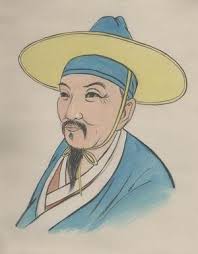
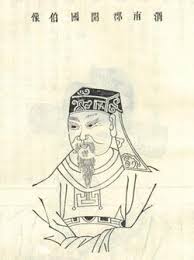
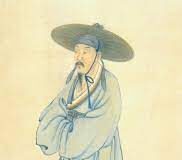
Lu You (陆游)
Martial Arts Program Hosted by Liu Haoyi (1)
Video from World of Chinese Martial Arts hosted by kungfu movie star...